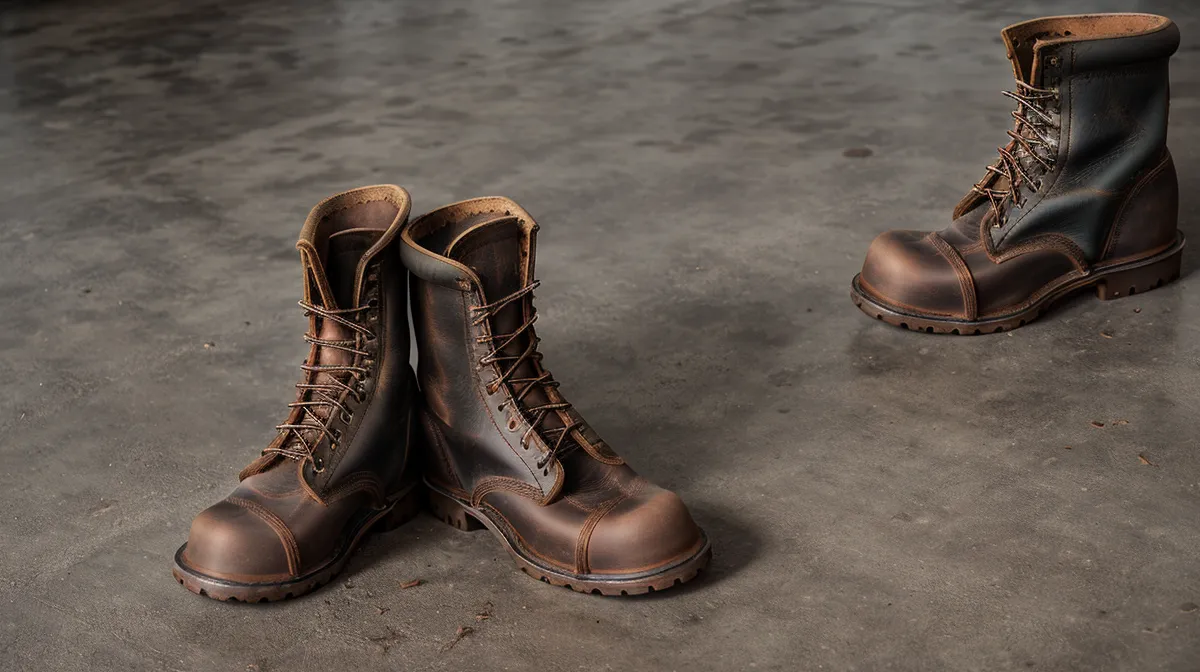
Flip-flops at a backyard barbecue, and no urge to curl my toes under the chair. Every steel-toe-boot wearer knows why that's worth mentioning — foot odor and nail fungus usually mean thick socks at home and boots at work, no exceptions, no barefoot anything.
Look — I'm not a doctor, not a podiatrist, just a shift supervisor who got sick of his own boots. Short version, since you're probably here for the odor part specifically: the smell backs off faster when you attack it from two directions at once — what's happening inside the nail, and what's happening inside the boot — and you'll notice the change in how your feet smell before you ever see it in how the nail looks.
A podiatrist did get involved eventually and prescribed a topical that didn't move the needle much, which is what pushed me toward supplements and a pocket notebook instead. Before that, I'd tried the obvious move: cutting the nail back as far as it would go before putting anything on it, figuring a shorter nail meant better contact with whatever I applied. Didn't touch the smell at all.
Steel-Toe Boots Are a Fungus Incubator
Sealed boots trap heat and moisture for a ten-hour shift, and fungus does well in exactly that kind of environment: dark, warm, damp, no airflow. Pull the liner out at the end of a shift and the smell is unmistakable, hot rubber against cotton that's been sweat-damp since lunch. That's not just regular sweat. The fancy word for what's actually growing under the nail is Onychomycosis, and it changes what's coming off your feet.

Sweat Smell vs. Fungus Smell
There's a name for regular foot odor too, bromodosis, and it's a different smell than what comes off a fungal nail. Regular sweat smell fades once your shoes air out for a night. The nail version doesn't, because it's not sitting on the surface — it's coming from inside the nail itself, and no amount of soap reaches that.
Does Scrubbing Harder Actually Help?
Scrubbing harder felt like the obvious answer, so that's what I did — antibacterial soap every night, scrubbing until my skin was pink. Turns out that just strips whatever your skin has going for it naturally and leaves the surface dry and cracked, which gives fungus more edges to grab onto. My skin started splitting in the same spots.
Vinegar soaks are the other classic advice, and I tried that too, feet in a vinegar bath expecting a miracle. Instead my whole house smelled like a salad left out too long, and my wife banned bare feet from the living room for a while. That one goes in my notebook under home remedies that sound smart and do nothing, which is its own separate rabbit hole if you want to go down it.
If you want the longer list of what I tried in that department, I laid it out in Best Natural Remedies for Toenail Fungus: My Real Notebook Results, rated the same blunt way as everything else in the notebook.
Track the Scent, Not Just the Color
Most people tracking nail fungus only photograph the color. I started logging smell too, checking right after the shift boots come off, not right after a shower when everything smells like soap anyway. Odor and appearance don't move on the same clock — the smell backs off before the nail looks any different, which is easy to miss if photos are the only thing you're checking.
Worth saying plainly: odor isn't really a separate problem from reinfection — it's the same damp, warm conditions doing the damage twice, which is worth remembering before you treat the smell like a random annoyance instead of a symptom of the environment it's living in.
My neighbor Sheryl mentioned once, at a cookout, that her husband had gone through the same thing years before I did. She said it flat, no lecture, no advice attached, just information, which is the only way I want to hear this stuff from anyone.
Another neighbor, Gail, tells me her husband started using the same Sunday-photo approach after Sheryl passed along where to find it. She gives me updates at the mailbox sometimes, and her version of his timeline always sounds a little rounder than I'd guess the real numbers are, which is fine, that's just how secondhand progress reports work.
For the messy-cream side of things, topical creams that need reapplying and never quite fit a shift schedule, there's a separate writeup at Keravita Pro Results for People Tired of Using Messy Topical Creams covering how the internal route compared for me.
The Routine That Actually Keeps It Down
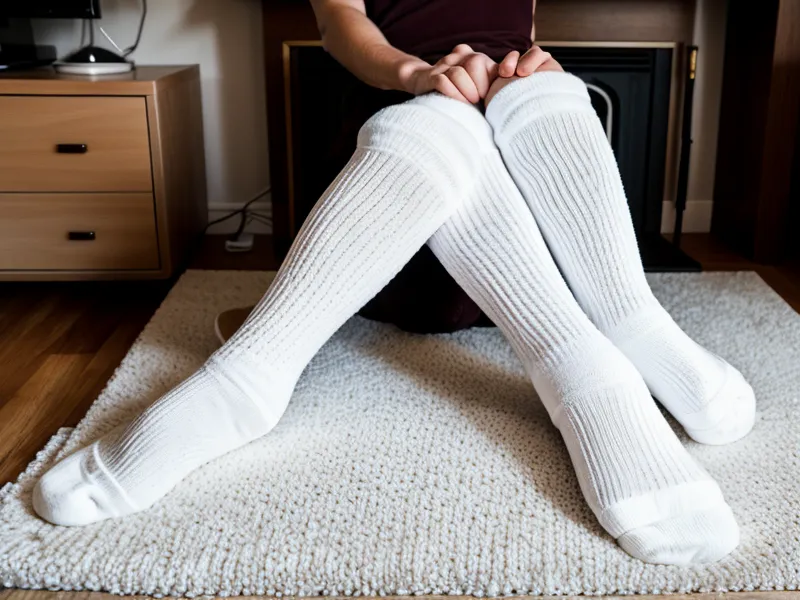
Two things changed the smell more than any supplement did. First, boots don't get worn two shifts running. I bought a second pair specifically so one is always drying out while the other's in use. Second, socks matter more than people think. I switched to moisture-wicking pairs and wrote up what worked in Best Socks for Sweaty Feet to Prevent Toenail Fungus at Work, because the difference by the end of a shift is not subtle.
Whatever supplement you're on, taking it at the same time daily beats taking it whenever you remember. Mine sits next to the coffee maker so it's impossible to skip before an early shift. And keep taking the photo on a regular schedule regardless of how it looks. A notebook with gaps in it is a lot less useful than one that's just boring and consistent.
No Comment From the Couch
Barefoot on the couch during a game, wife sitting right next to me, no comment, no nose-wrinkling, no request to go put socks on. After a long stretch of managing that reaction, its absence is the clearest signal I've got that something is actually working, better than any photo comparison.
None of this makes me a medical authority on your feet. If a nail is getting worse, changing color fast, or actually hurting, that's a podiatrist visit, not a supplement order. But if what's stopping you from wearing sandals or sitting barefoot around other people is really about the smell, that's usually the fungus talking, not just sweat, and it tends to respond to boot rotation and an internal approach faster than the nail itself clears up. Judge progress by the smell test before you judge it by the color. Color takes a lot longer to catch up.