
Three toenails were the whole problem on my right foot, and warehouse work made every one of them worse before I ever understood why. I supervise a shift floor outside Atlanta, and my feet live inside a steel-toe boot for fifty-plus hours a week. Nail fungus does not stay small in that kind of setup — it thickens, yellows, and turns into the reason a warehouse worker stops changing shoes in front of anyone.
Quick disclosure before we get further into this: some of the links below are affiliate links, and if you buy through one, I earn a commission at no extra cost to you. I only write about products I've actually bought and tracked myself in a notebook, not stuff I got sent for free. I'm not a doctor, a podiatrist, or any kind of health professional — just a guy who got tired of hiding his feet and started keeping records instead.
The Warehouse Humidity Problem
Most general foot-care advice says to let your feet breathe, which is fine if you work at a desk. On a warehouse floor, safety rules keep feet sealed in leather and steel all day, which builds a dark, damp micro-climate that fungus loves. The medical term for it is onychomycosis — I looked it up once and never said it out loud on the floor again. Guys I work with have tried bleach soaks and bench sanders to grind the thickness down. Don't do either one.
A podiatrist visit years back got me a prescription that didn't do much of anything, and that disappointment is really what pushed me toward testing products myself instead of waiting on one fix from one doctor. I wrote the longer version of that whole mess separately — The Embarrassing Truth About Living With Nail Fungus for 5 Years (2026 Update) — so I won't repeat it all here.

Does Cutting the Nail Back First Actually Help?
Here's a question I get a lot from guys on the floor: does trimming the nail down hard before you put anything on make the treatment work faster? I tried exactly that for a stretch, cutting each nail back as far as I could stand before applying any oil, figuring it would soak in better. All it did was expose the tender skin underneath, so everything I put on stung for days instead of sitting on a hard nail surface the way it's supposed to. These days I take a little off at a time after a shower, when the nail's softer, and I'll leave the full trimming technique for its own post.
Oil, Spray, or Pill — Which Should You Start With?
Topical oils, sprays, and oral capsules all claim to fix this, and none of them work as fast as anyone wants, full stop. Kerassentials is the oil-based one I lean on most, mainly because tea tree and lavender oil are right there on the label and there's nothing to swallow. If the oily feel bothers you, ProNail Complex is a spray built around a probiotic angle instead of straight oil, and it dries fast enough for a 6 a.m. shift. I put the two head to head with actual notes in Is ProNail Complex Worth the Money for Chronic Cases? if you want the full side-by-side instead of the short version here. However any of these are built, I'm not going to pretend I can explain the biology behind it. I just watch the nail and write down what happens.
None of this is cheap over the long haul either, and anyone telling you otherwise is skipping past a real part of the decision. I'd rather spend on one product I stick with for months than bounce between three because none of them showed results fast enough.
How My Toenail Tracking Actually Works
People ask how I actually know if any of this is working instead of just hoping. Short version: I keep a running photo log the same way I'd track an inventory shortage on the floor — write down what you actually see, not what you're hoping is happening — and I'll leave the full method to the post that's actually built around it.
What sticks with me is smaller than any spreadsheet. Clipping a nail on an ordinary week and finding half of it has grown out looking like a completely normal toenail again is a strange thing to feel proud of. The rubber band around my notebook cover still snaps back the second the pen slides free — small thing, but it's stuck as part of the routine.
There's apparently more than one type of nail fungus depending on how it presents, though I've never bothered sorting mine into a category since the photos tell me what I need to know. The overall progression has been slow and uneven rather than a straight line, which is its own longer story I've tracked in more detail elsewhere. Sticking with the same routine every morning, even on weeks nothing visible changes, matters more than which product sits on the shelf.
My neighbor Gail mentions her husband Doug's progress at the mailbox now and then, since he picked up my photo-tracking method for his own toes — though she tends to round his numbers up every time she tells the story, so I take her version with a grain of salt.
For the long version of how Kerassentials held up against my worst nail over time, I put together Kerassentials vs My Toughest Toenail: A 6-Month Notebook Update. If you'd rather skip oil entirely, ProNail Complex is still the spray option I mentioned, and if you're working with a tighter budget, Keravita Pro is a capsule that costs less, though anything you swallow instead of apply tends to show up on the nail surface slower in my experience.

Red Flags in Nail Fungus Marketing
Look, the biggest red flag in this whole industry is anything promising a permanent fix in thirty days flat. Nails don't work that fast, plain and simple, and any company telling you otherwise is selling a story, not a result. I wasted money early on a "rapid" cream that did nothing but turn my socks orange — cheap trick, no results. Before any of the branded products, I also ran through a couple of home remedy tricks people swear by in forums, none of which did much of anything, and that whole detour is a post of its own. There's a longer list of red flags I've collected if you want the full rundown, but the thirty-day promise alone should be enough to make you close the tab.
Diet, Trimming, and Keeping It From Coming Back
Diet gets brought up constantly in forums — sugar, carbs, all of it supposedly feeding the problem from the inside. I don't have a controlled experiment on that, just a notebook full of toenail photos, so I'll point you to the more detailed breakdown instead of guessing here. Trimming technique matters too, and I covered where I went wrong with that earlier. Keeping it from coming back once a nail finally clears is its own challenge, especially in a boot for ten hours a day, and that deserves its own space rather than a paragraph tacked onto the end of this one.
Is Laser Treatment Worth Considering?
My neighbor Sheryl mentioned once that her husband had looked into laser treatment years before I dealt with any of this — she just passed it along flatly, no lecture attached, which is pretty much how she tells you anything. I haven't gone that route myself. Weighing the cost and hassle of a laser procedure against what's in a bottle is a bigger question than fits in one paragraph, so I've broken that comparison down elsewhere for anyone seriously considering it.
Hiding It at Work Comes at a Cost
Steel-toe boots do one thing really well here: they hide a bad nail from everyone all shift long, while the heat and moisture inside make that same nail worse the entire time you're hiding it. That trade-off carries its own psychological weight, and I've dug into that side of things in more depth elsewhere on this site. For me, the practical fix was simpler — treat the nail and stop treating the hiding as the solution.
The Bottom Line From the Warehouse Floor
None of this happens on a company timeline, and if you're expecting a fast turnaround, you'll quit before you see anything worth seeing. My own feet are in better shape than they've been since I started this job, though there's still a stubborn patch of yellow holding on near the tip of one nail.
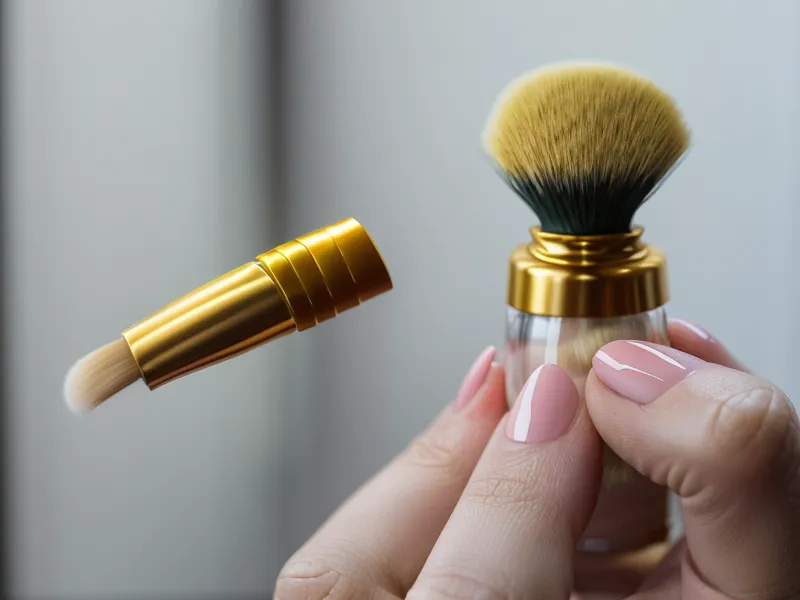
If you want to start where I did, Kerassentials is the one I'd point you toward first, applied every day without skipping — just wipe the applicator brush clean after each use, because it gets gunky fast otherwise. Keep your boots dry when you can, keep some kind of record instead of trusting your memory, and stop arranging your whole locker-room routine around nobody seeing your feet. That last part took me longer to fix than any bottle did.