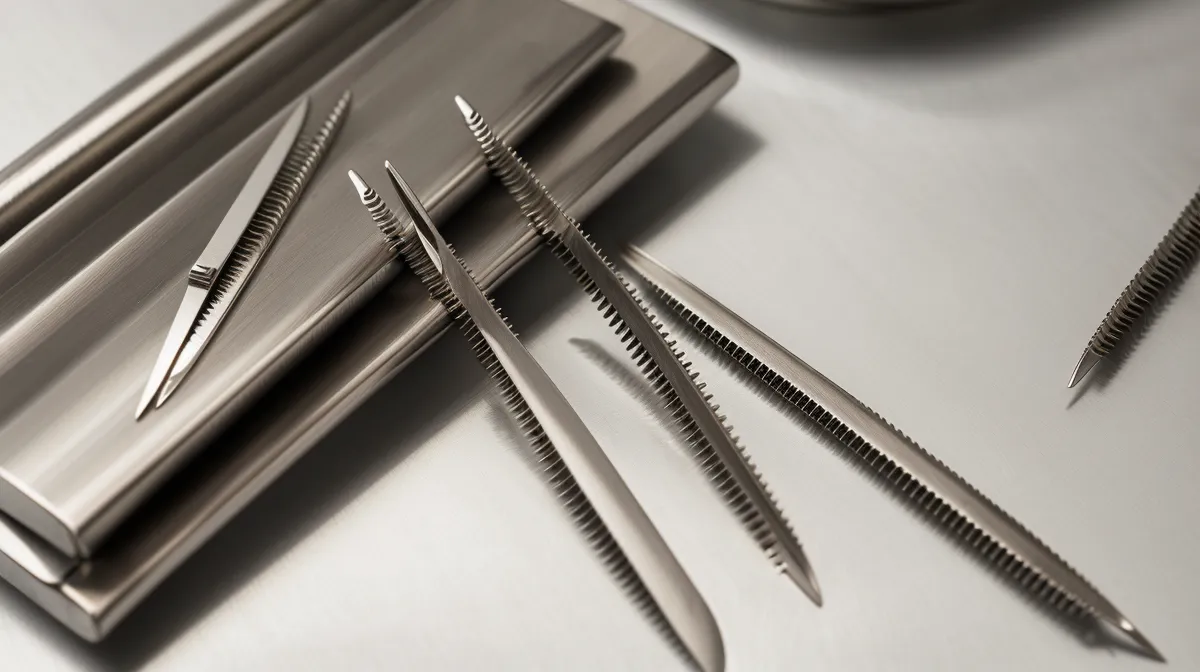
A regular fingernail clipper and a pair of side-contour nippers look like they belong in the same drawer. Put a thick, fungal toenail in front of both of them and only one comes out ahead without cracking, snapping, or tearing halfway through the cut. That's the part most nail-care tips skip over: they're written for nails that still bend a little under pressure, not ones that have gone rigid from months of fungus. This is the fungus-management side of the job nobody talks about — how you actually get a thick nail short and manageable without turning your foot into a mess by the end of the weekend.
None of this comes from a nursing degree or a podiatry license. It comes from a warehouse supervisor's pocket notebook, a stack of Sunday photos, and more busted drugstore clippers than I want to admit to owning. Working ten-hour shifts on concrete in steel-toe boots teaches you fast that a nail you can't manage isn't just a cosmetic problem — it's a foot that hurts by lunch.
The Nail Itself Is Half the Fungus-Management Battle
Soaking is the advice you'll find everywhere: sit your feet in warm water for twenty minutes before you cut. Skip it. Warm water turns thick keratin into something closer to wet cardboard — it doesn't cut clean, it tears, and on a nail that's already loosening from fungus, that tear can pull the whole plate further than you wanted. Cutting the nail bone-dry sounds rough, but a dry nail is a stable one. It doesn't compress under the blade. It breaks where you tell it to, not wherever the water happened to soften it.
Dry-cutting also makes the debridement part easier to judge. You can see where the crumbly, damaged nail ends and the harder, healthier part begins, because nothing is swollen with water blurring the line. That's really the whole job here — not curing anything, just clearing the dead bulk off so whatever else is part of your routine has an actual shot at reaching the nail underneath.
What Tools Actually Cut Through a Nail This Thick?
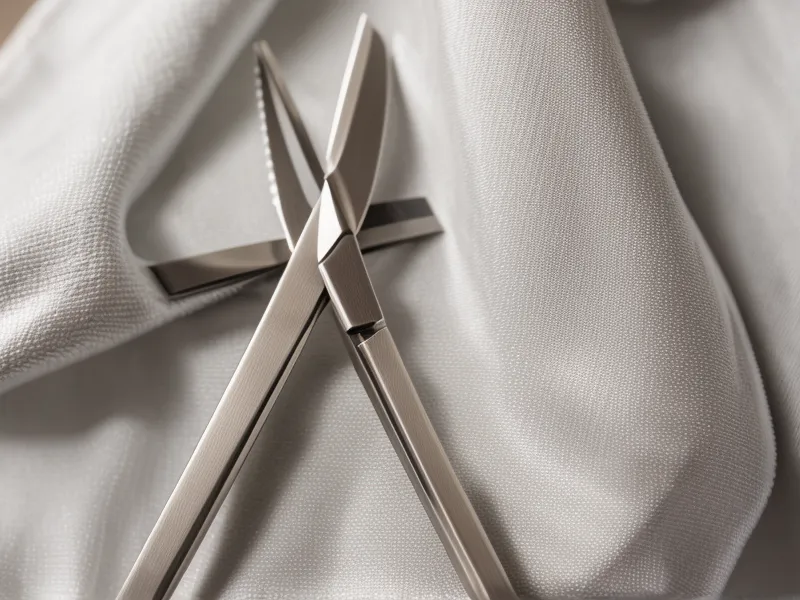
Standard toenail clippers, even the oversized ones from the grocery store, usually open two or three millimeters at most. Once a nail thickens past that, you're forcing a small tool around a job it was never built for, and that's how a clean edge turns into a cracked plate. Side-contour nippers solve it. They're built like small wire cutters, with a spring-loaded handle that gives real leverage, and they bite from the side instead of pressing down from the top. That lets you take small, controlled bites instead of one big chomp that splits the nail further down than you meant.
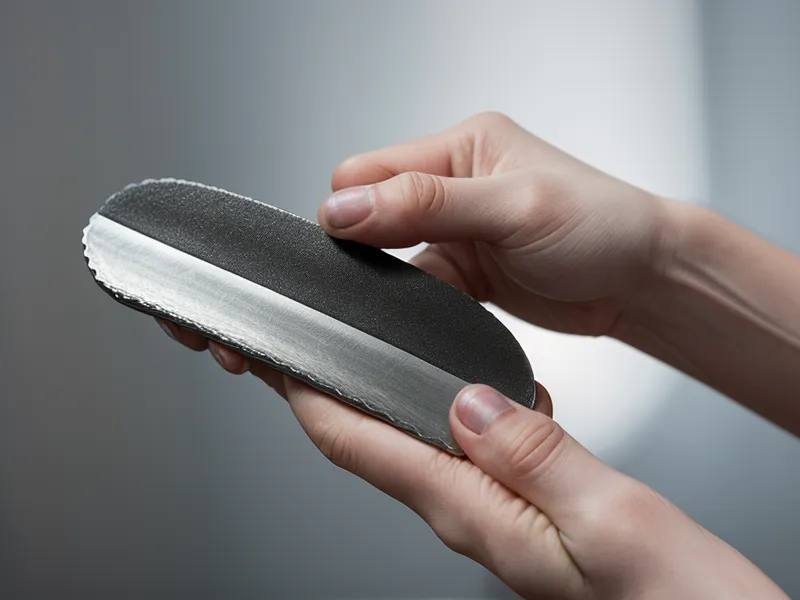
Before the nippers ever touch the nail, a steel file does the heavy lifting. Not an emery board — those do nothing against real thickness. A cross-cut steel file knocks down the bulk of the nail plate first, the same way you'd sand a warped board flat before trying to cut it straight. Working ten-hour shifts in ASTM F2413 rated boots leaves zero tolerance for a nail edge digging into the front of the boot all day, so getting the thickness down before cutting isn't optional.
How Do You Handle a Nail Curled Like a Ram's Horn?
Sometimes a nail gets thick enough that it curves up and over the front of the toe. You can't clip that. Forcing nippers under a curl like that is how people crack a nail down into the quick and end up in real pain over a grooming task. The only way through it is filing from the front edge, a little at a time, until the curve flattens enough to get the nippers under it. It's slow. Genuinely slow, like watching paint dry slow. But it's the only method that doesn't end with you limping to urgent care.
Cutting Along the Curve Instead of Straight Across
Start at the outer corner and take a small bite, then work inward, following the natural curve of the toe. A flat cut straight across a curved nail is a fast way to trigger an ingrown edge, and an ingrown nail inside a steel-toe boot is its own special kind of miserable. Once the nail's shortened, clear the crumbly debris out from underneath with a flat tool. It's an oddly satisfying step, mostly because you can feel the difference in your boot that same day.
Thinning the nail down matters even when trimming isn't the only thing in your routine. A thick cap of dead keratin blocks anything else from reaching the nail bed, topical or otherwise, I've gone through whether tea tree oil works on thick nails in more detail elsewhere, and the short version doesn't change here: nothing soaks through a nail that hasn't been thinned first.
Does Trimming Actually Help the Fungus, or Just Hide It?
Both, honestly, but not equally. Trimming doesn't kill fungus. It removes the thick, damaged nail so a healthier nail underneath has room to grow out instead of staying trapped under a hardened shell. Whether that process actually correlates with the fungus clearing up, versus the nail just looking better because you've filed off the ugly part, is the exact question my longer tracking log gets into — that's a deeper rabbit hole than this article needs to cover.
The clearest sign for me wasn't a number in the notebook. It was standing around at a neighbor's cookout in flip-flops, plate in hand, and realizing halfway through a conversation that I hadn't once thought about curling my toes under to hide them. That's a bigger deal than it sounds if you've spent any real stretch of time avoiding sandals.
A toenail doesn't replace itself overnight, fungal or not, you're watching for a clean edge to slowly push out the damaged part over a long stretch, not waiting on a quick fix.
Will Cutting the Nail Spread the Fungus to Other Toes?
Not if you're wiping the tool down between nails. Look, reusing the same dirty edge across all ten toes without cleaning it is asking for trouble, so isopropyl wipes live right next to the nippers now. Keeping fungus from jumping onto a clean nail is its own hygiene routine with more steps than just wiping a blade, and I've broken that down separately. Here the short version covers it: clean the tool, don't share it, and don't let scraped-out debris sit anywhere near a healthy toe.
Where Home Remedies and Store-Bought Creams Fit In
Cutting the nail down doesn't replace whatever else you're trying, and it doesn't excuse a bad product either. A Rite Aid store-brand clotrimazole cream sat in my medicine cabinet for four months, applied twice a day exactly like the label said, and did close to nothing I could see in the notebook. That's not a knock on every cream out there, it's a reminder that trimming and treating are two separate jobs, and neither one covers for the other.
Home remedies get asked about constantly, and I've tested more of them than I'd like to admit, cataloging which ones did nothing at all — that's its own long list I keep elsewhere. Same with the pills-versus-topicals question: whether a supplement you swallow beats an oil you rub on is a different comparison I've actually run side by side, and trimming doesn't settle that argument either way.
Diet, Supplements, and Other Questions Readers Send In
A guy named Troy Hembree emailed after finding my tracking method through the site and adapting it for his own log. He wanted to know, essentially, whether cutting the nail back made his supplement work faster, or whether he was wasting time filing when he should just wait things out. Methodical guy, but impatient, he wanted the answer before he'd even finished a full round of photos. The answer stayed the same as it is here: trimming helps whatever you're using actually reach the nail. It doesn't speed up what that product does on its own.
Diet comes up almost as often. Whether sugar and carbs make the fungus worse is a question I track in the notebook separately from anything to do with clippers or files. Comparing two competing supplements head to head is its own system with its own rules, too, and what's inside those bottles and why is a whole different breakdown for another time. None of that changes how you should be handling the nail in front of you right now.
How Do You Know the New Nail Growing In Is Actually Clear?
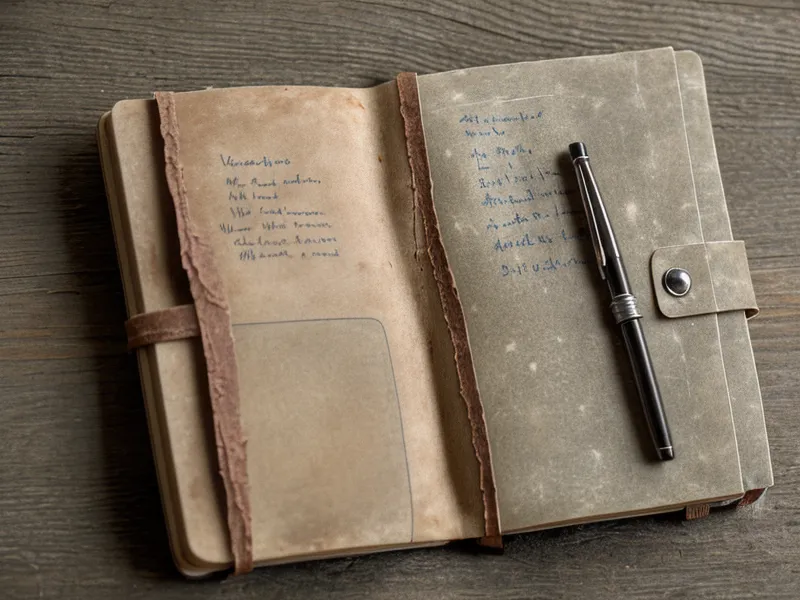
This is where the weekly photo habit earns its keep, even though taking a flattering photo of your own toenail is not a skill anyone brags about. A clip-on light clamped to the edge of the kitchen table gives steadier light than angling a phone under a bathroom fixture, and steady light is the only thing that makes photos from different points actually comparable. The notebook lives on the windowsill, pen rubber-banded to the cover so it doesn't wander off, and the pen drags a little across the page when I'm writing the entry right after a shower, before the damp paper has anywhere dry to grip.
Not every discolored or thickened nail is the same type of fungus, and telling them apart from photos alone instead of guessing is a separate skill that deserves its own explanation rather than a paragraph here. What matters for this article: watch the base of the nail, right where it meets the skin, for a section growing in with a normal color and thickness, and note when that section starts crowding out the old damaged nail instead of relying on memory. For the fuller documentation project, there's a longer piece on how to get rid of thick yellow toenails without a prescription that walks through it end to end.
When Trimming Isn't Enough
None of this replaces a professional when something's actually wrong. Nails turning black, red streaks creeping up the toe, real swelling or pain that doesn't ease off — that's a podiatrist visit, not a filing session. There's a longer list of red flags I keep for supplements specifically that doesn't belong in a trimming article, but the short version carries over fine: anything that looks like it's spreading fast or getting worse instead of slowly improving is past the point where clippers and a file are the answer.
Laser treatment at a clinic comes up in this conversation a lot too, usually from people tired of trimming and treating with no end in sight. Whether that's worth it compared to sticking with trimming and a topical is a whole separate evaluation, and I've weighed that trade-off in detail elsewhere. Trimming alone, done right, still buys you a manageable nail while you decide on anything bigger.
What This Actually Buys You
Hiding your feet for years because of thick, ugly-looking nails takes a real toll beyond the physical discomfort — that psychological weight of dodging pool parties and flip-flops is a bigger topic than this article, but it's real, and it's worth naming instead of pretending trimming is only a cosmetic chore. Dwayne Tillery, who runs forklifts on my shift, saw the stack of Sunday photos on my phone once and turned the whole thing into a bet about whose nail would clean up first — that's Dwayne, he'll turn a blood pressure reading into a competition if you let him.
Cutting a thick, fungal nail down right won't cure anything on its own. But it gets the dead weight off, it stops the daily pain inside a boot, and it gives whatever else you're doing an actual shot at reaching the nail. Keep the file sharp, keep the nail dry when you cut it, and don't be afraid to take the bad ones slow. If something looks infected instead of just ugly, that's a doctor's job, not a notebook's.