Why does the first month of nail fungus supplement testing always feel like it is doing nothing for your foot health, even when the product is working exactly as it should? Guys at the warehouse ask me that once they see my Sunday photo habit and try something themselves — four weeks in, the nail looks the same, and they are ready to quit.
Quick disclosure: this site runs on affiliate links, so if you click through and buy something, I earn a commission at no extra cost to you. I only point people toward products I have tested myself. None of this is medical advice — I run a warehouse floor, not a clinic, so talk to your own podiatrist before changing your routine.
I spent five years keeping my feet covered up. At work that meant steel-toe boots ten hours a day, boots that meet a safety standard and not much else. At home it meant socks even in a Georgia summer. Three toenails had gone thick and discolored, and I was in no hurry to explain that to anyone, doctor included.
Two Ways Guys Handle Nail Fungus Supplement Testing
There are basically two ways a guy tackles this once he stops hiding it. One is treating whatever you can see — the yellow part on top. The other is treating what is underneath, the living part behind where the keratin itself starts. Both approaches can work. Neither one shows anything in the first thirty days, and that is where most people get it wrong.

Nails do not hurry for anybody. That is the part nobody wants to hear when they are four weeks into a routine and still see the same discoloration every Sunday. You cannot out-work biology here — the timeline is what it is, whether you are diligent about applying a product every night or not.
Understanding Why Progress Takes So Long
Part of the answer is the environment those nails live in. Ten hours a day in a hot boot creates exactly the kind of damp, dark space that Dermatophytes — the fungi behind most of this — seem to like. Treat the nail in the morning, then spend a shift sweating into the same boots, and you are fighting the same fight twice a day.
That is why I eventually started paying attention to the best socks for sweaty feet to prevent toenail fungus at work instead of just the product in the bottle. A supplement cannot do its job if you are re-soaking the nail in the same conditions that caused the problem in the first place.
The Surface Treatment: Fast to Apply, Slow to Prove
Case one is the surface treatment — a cream or a spray you apply and mostly leave alone, fast to stick with but also the case where skipped nail debridement quietly wrecks the first month's results. I learned that the hard way with a bottle of Listerine, picked up at the QuikTrip on Austell Road because a guy on a forum swore by foot soaks — every other night for six straight weeks, and the nail did not care.
Most of what looks like a failed product in month one is actually an adherence gap, not a bad supplement — the guys who quit are usually the same guys who skipped nights, not the ones who picked the wrong bottle. My own notebook backs that up: the entries with gaps in the dates are the same ones where nothing changed, and the entries with a mark every single day are the ones that eventually showed something. If you want to see what I actually track alongside the timing, my tracking notebook results lay it out in more detail.
Treating the Base Instead of Just the Top
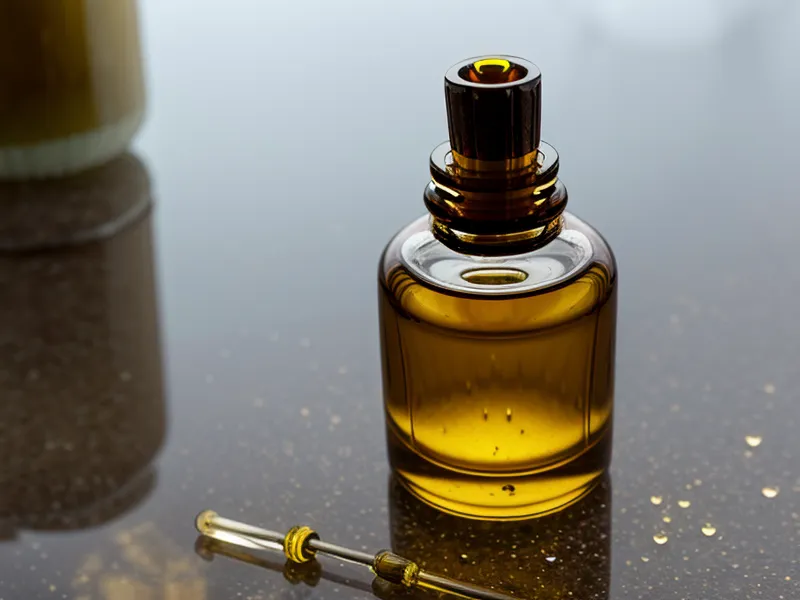
Case two treats the base instead of just the top — an oil or a routine that works into the skin and cuticle around the nail rather than sitting on the hardened part. This is the slower case to trust, because the visible part still looks the same for a long stretch. What convinced me it was doing something was not the nail itself — it was holding a fresh photo next to an older one and noticing the pale patch near the cuticle had shrunk to about half the size it used to be. I have propped my phone against the bathroom mirror often enough now that the cold tile underfoot barely registers, and the flat, honest light in there does not flatter anything, which is exactly why I trust what it shows me.
A guy on my crew who trains for the Peachtree Road Race every June puts it in terms I get: nobody expects a great time on day one of training, so why would anyone expect a nail to turn around on day one of anything else. Patience is not really the hard part. Sticking with something that shows you nothing for a long stretch is.
Picking Between Three Approaches Comes Down to Your Case
If you are the surface-treatment type and want something less messy than a dropper, ProNail Complex is a spray built around a probiotic angle instead of the usual antifungal oil — a different mechanism, and one with less of a track record simply because it has not been around as long. It is not cheap, and a full spray bottle can feel like overkill if you are only dealing with one or two nails.
Pills fit some guys' lives better than remembering a dropper twice a day — Keravita Pro results for people tired of messy creams are worth a look, capsules built around garlic and turmeric that work from the inside instead of the surface. The tradeoff is that you will not see anything happening on the nail itself even sooner than with a topical, since there is nothing visibly soaking in to check on.

Stick With the Boring Grind
Here is the actual trade-off, not the marketing version of it: go with the surface-only route if your case is mild — some discoloration, no real thickening yet — and you are disciplined about keeping your feet dry, because a well-managed environment lets a topical actually reach what little damage there is. Go with something that treats the base instead if the nail is already thick, brittle, or lifting, because by then the surface is not where the problem lives anymore, and a cream sitting on top of it is just delaying the same disappointing thirty-day check-in.
Whichever case fits you, do not judge anything by the first thirty days — that is just not enough time for a nail to show its hand. The oil that ended up working for my situation, tea tree and lavender based and meant for the skin around the nail more than the nail itself, is the one I still restock. Expect six to eight weeks before you would notice anything at all, which is exactly why the sixty-day return window on it matters more than the marketing copy does: you can check out Kerassentials here if you want to see what is in it. Just give it longer than a month before deciding it failed you.