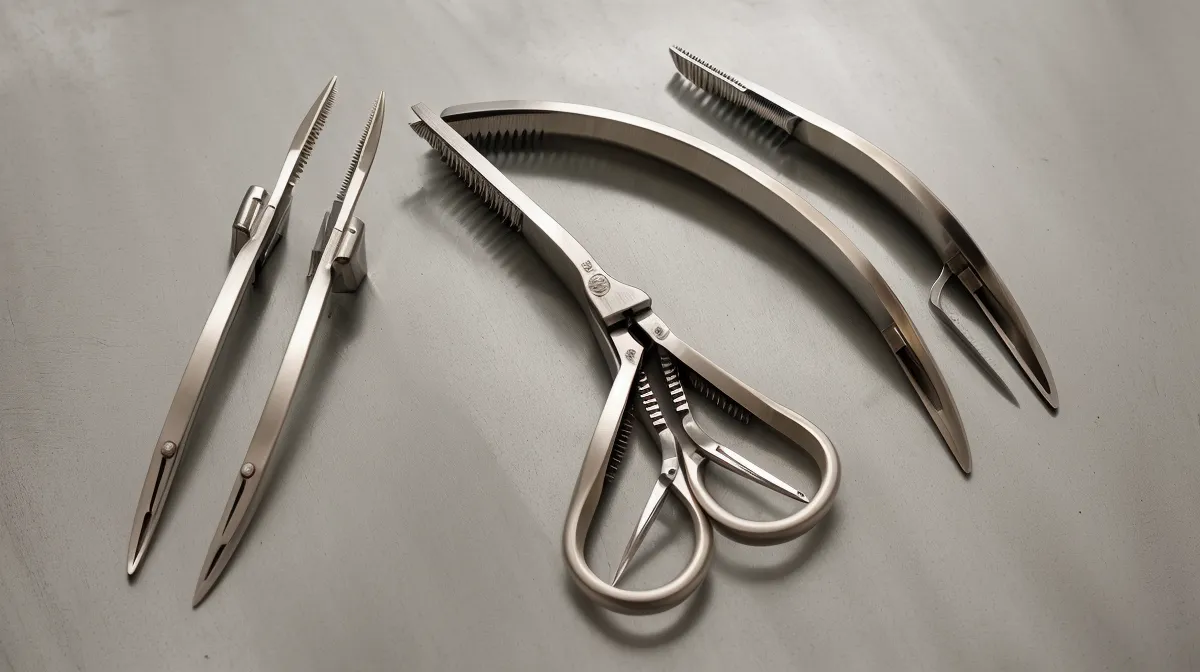
Ordinary drugstore clippers can't scratch a toenail that fungus has turned three or four times its normal thickness.
Because the tool was never built for that kind of density. Regular toenail clippers are shaped for a thin, flexible nail, not the thick, fungal plate that forms after an infection sits untreated for years. I found that out the hard way at my kitchen table in Tucker, working through a stack of grooming tools the same way I check inventory at the warehouse, one at a time, counted, logged, no guessing.
I'm not a podiatrist, a dermatologist, or anything close to a medical professional. My podiatrist put me on a prescription topical called efinaconazole, and after four months there was barely any change in how thick the plate was. That's a long wait for nothing. It's like waiting for paint to dry, except paint eventually dries. That failure is what pushed me toward tools instead of a bottle. If your nails are painful, draining, or look infected rather than just thick, that's a conversation for an actual doctor, not a blog written by a guy with a pocket notebook.
Why Standard Clippers Fail on Thick Fungal Nails
Fungal toenails don't just look bad — Onychomycosis makes the nail plate a lot thicker than a healthy one, and you can't clip your way past that; you can only manage it with the right hardware. Cheap clippers slide right off a nail like that, like trying to bite into a pebble instead of cutting it.
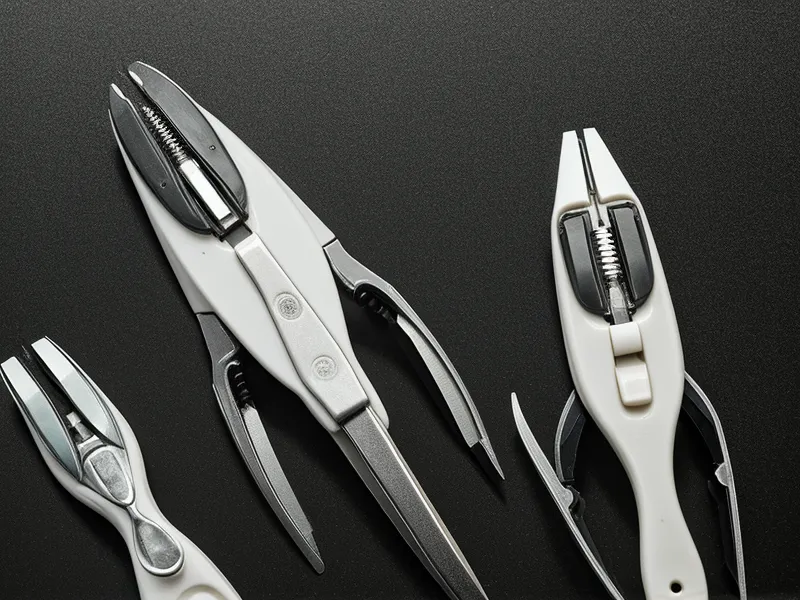
One clipper with fancy plastic grips actually snapped in half mid-trim at that same kitchen table. The handle just gave out under the pressure, and I sat there with a half-cut nail and a sore thumb. That's when I stopped grabbing whatever was cheapest off the shelf and started tracking tools in the notebook the same way I track supplements. Yes, that means more Sunday photos of my own toenails, an activity I never pictured for myself.
None of this replaces the basics, either. I still run through the same best foot hygiene routine for warehouse workers with chronic fungus before I ever pick up a clipper, because a clean cut on a dirty foot just reinfects itself.
What Should You Look For in Steel and Jaw Opening?
Material matters more than brand name. Look for clippers made from 420J2 surgical-grade stainless steel, the same high-carbon steel used in good cutlery. It holds an edge without shattering under pressure, and there's a real difference in the sound alone — a clean snip through the nail instead of a crunch or a slide.
The second spec worth checking is jaw opening. Most standard clippers open somewhere around 4 to 5 millimeters, which is fine for a normal nail and useless for a fungal one. A wide-jaw clipper that opens to 15 millimeters changes the whole job — the blade gets over the thickest part of the plate without twenty minutes of filing first, so you're not forcing the tool through material it wasn't built to handle.
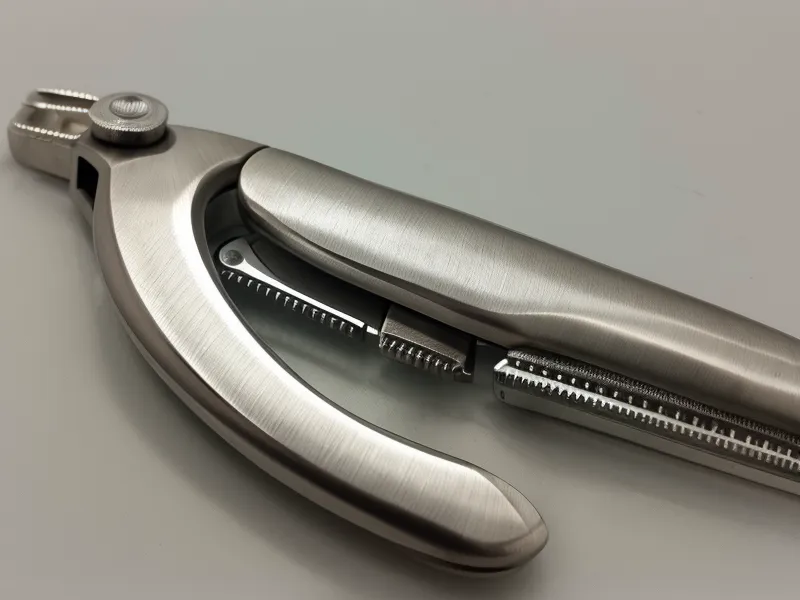
Blade shape matters too. I settled on a curved blade with a gentle angle that matches the natural shape of my toe instead of a straight edge. It feels safer, and it doesn't fight the curve of the nail bed the way a flat blade does.
Do Clippers Actually Make Fungal Nails Worse?
Here's the part I didn't expect. Even with the 15mm wide-jaw clippers, I kept seeing small cracks along the cut edge in my Sunday photos — a clean trim on Sunday would turn into a jagged edge by the middle of the week. Those micro-cracks are basically open doorways for fungus to keep working deeper into the nail.
Some Sundays the trim isn't even one job anymore. One side of the nail has grown out pink and close to normal, and the other side is still the old, thick plate, so the clipper has to handle two different textures without catching skin in between. That's a harder cut than people expect, and it's the kind of detail you only notice if you're photographing the same nail every week.
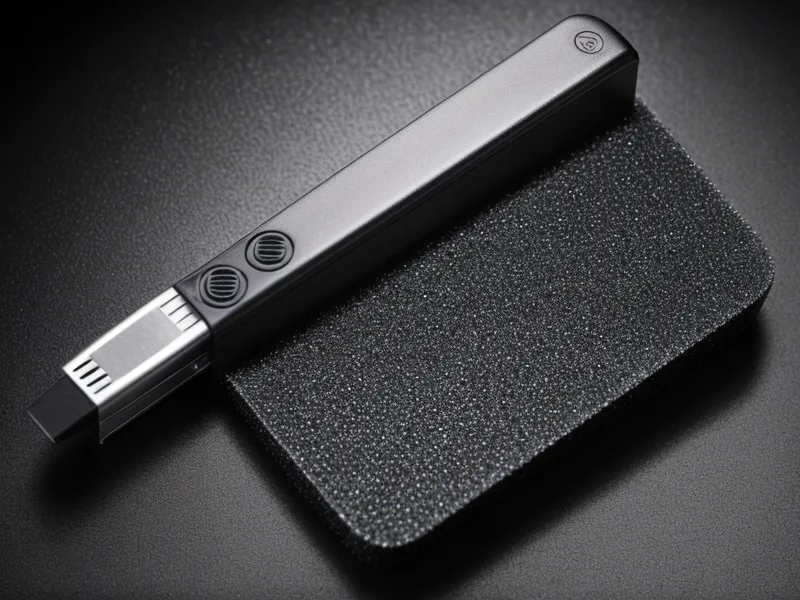
That's the situation that got me experimenting with an electric rotary file instead of relying on the clipper alone. It sounds like a woodshop tool, but it's gentler on the nail bed — it grinds the plate down slowly instead of one hard crunch. If the actual mechanics of trimming without pain is the part you're stuck on, I wrote that up separately in how to trim thick fungal toenails without pain or cracking. This article is really about which tools make that technique possible once the nail's gone woody.
Reader Questions From My Notebook
A reader named Troy Hembree emailed after he started running his own version of my tracking log, and his first question was which clippers I actually reach for on a bad night. Fair question. Look, most grooming guides don't cover hardware at all. They just say "trim regularly" and leave it there.
My coworker Dwayne Tillery, who runs forklifts on the night shift with me, is the type who won't see a doctor until something actually falls off — he figures a sharp clipper solves everything. It doesn't. If a nail is painful, swollen, or looks infected instead of just thick, that's outside what any clipper or rotary file is going to fix.
When Trimming Isn't Enough, Talk to a Professional
I still reach for the wide-jaw clippers for final shaping, but the rotary file does the heavy lifting now, and I run tools through the same side-by-side comparison I use on supplement bottles — what worked, what didn't, written down instead of trusted to memory.
After two years of hiding my feet in the warehouse, my notebook finally has a success story, and having the right tools in the bathroom drawer was a bigger part of that than I expected going in. Talk to your own doctor before starting any new routine, especially if you've got circulation issues or diabetes — a clipper is a grooming tool, not a treatment plan.